
by Claire Browne
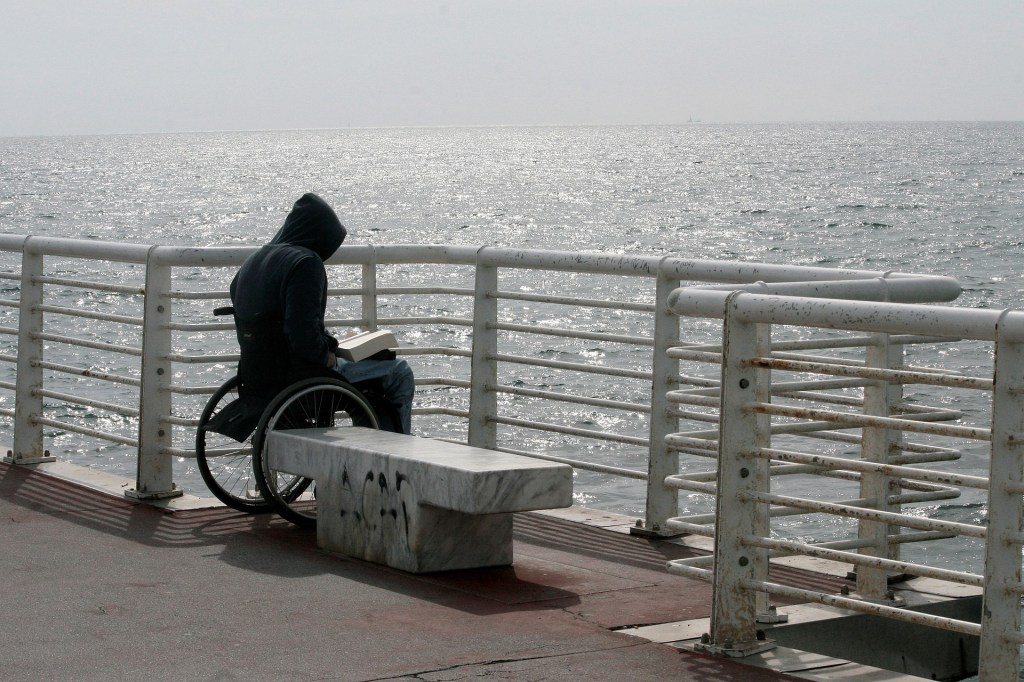
Up until recently, I hadn’t really given much thought to how my experience of being physically disabled has led me to identify as Autistic later on in life. It has only been in the last few years, having lived away from home with other physically disabled young people at my residential college, that I realised I still don’t find connection with people who are supposedly my most obvious peer group. This is one of many experiences throughout my life that has led to my discovery that I am definitely Autistic.
For obvious reasons, my physical disability has always taken precedence. On reflection, this makes sense, no one can mistake the fact that I am a wheelchair user it is immediately obvious when you see me! However, this has often made me think that if I wasn’t physically disabled would I have been identified as autistic earlier? The simple answer is most definitely YES! What I now know as common autistic experiences, were mostly attributed to my physical disability. For example, always sitting on the sidelines and becoming an increasingly avid observer of human interactions. Now I know in some instances this experience can easily be explained by lack of accessibility in social situations, but regardless of any well meaning attempts at inclusivity I have always felt an innate need to listen to, observe and analyse other humans on a much deeper level. My autistic need to understand why other humans behave they way they do is ever present!
Another way in which my Autistic identity intersects with my physical disability is through hyper focus and stimming. I regularly feel as though I cannot meet my Autistic need for cognitive stimulation and immersion in a potential flow state due to disabling physical factors such as exhaustion, stiff muscles and unreliable movements. This is incredibly frustrating as my Autistic mind wants to deep dive but my CP body won’t allow it – my mind works way too fast for my demand avoidant stiff body to keep up with! I would love to spend hours and hours on a project or my dedicated interest (surprisingly Autistic experience!) but this is impossible! Another autistic (and largely human experience) that becomes more complicated when physically disabled is stimming. Now, stimming is a human need but us autistics do it more often and sometimes in more notable ways. I currently stim by listening to music and making noise, but I would love to rock and engage with the sensory world in more physical ways.
When engaging in online Autistic communities, I always come across the all too common but very upsetting theme of bullying in educational and work settings. Now this has led me to wonder whether my physical disability has been and will continue to be a protective factor against traumatic experiences like this? I have had and will always continue to have support 24/7 (in the form of a PA or staff member) wherever I go and this has reduced the likelihood of me experiencing vulnerability because I am Autistic.
Understanding how my Autistic needs and experience intersects with my physical disability has slowly helped me accept that I won’t always be able to meet both of those needs – and that’s okay! I know that sometimes that I shouldn’t continue to dismiss signs of overwhelming fatigue or spasticity even if my Autistic mind loves the monotropic flow state and cannot switch attention tunnels. Short term autistic joy could potentially lead to a day of exhaustion.
There are other ways I can gain Autistic joy whilst not tiring myself out including:
- Scrolling through relatable Autistic experience content on my phone
- Vocal stims or listening to same song on repeat
- Eating safe foods
- Watching Aucademy videos
Thank you for reading! I hope this blog has helped you explore the complexities of being Ausomely Autistic and physically disabled in your own life.
Claire Browne has also written a blog for Neurodiverse Connection about the importance of online autistic communities for a positive autistic identity which you may also enjoy.

 Autistic Village
Please subscribe!
LikeLike